
Why Vietnam Works for Every Kind of Traveler
Vietnam is one of those destinations that does not impose a single type of trip, it flexes. A solo backpacker, a couple on a romantic escape, and a family on a cultural tour can all land in the same country and return with entirely different, equally fulfilling stories.
The reasons are consistent across all kinds of travelers:
- Geography: 3 regions, 3 climates, 3 completely different landscapes. Northern highlands, central heritage towns, and the warm southern coast are all in one country.
- Cuisine: From Ha Noi pho and bun cha to Hoi An's white rose dumplings and fresh seafood on the southern coast, Vietnamese food is among the most regionally diverse in Southeast Asia.
- Affordability: Beachfront stays, fresh meals, and guided experiences are a fraction of the cost of comparable destinations like Thailand or Bali.
- Safety and Accessibility: Vietnam is consistently rated among the safer destinations in Southeast Asia for solo and international travelers. The 90-day e-visa is available for all nationalities.

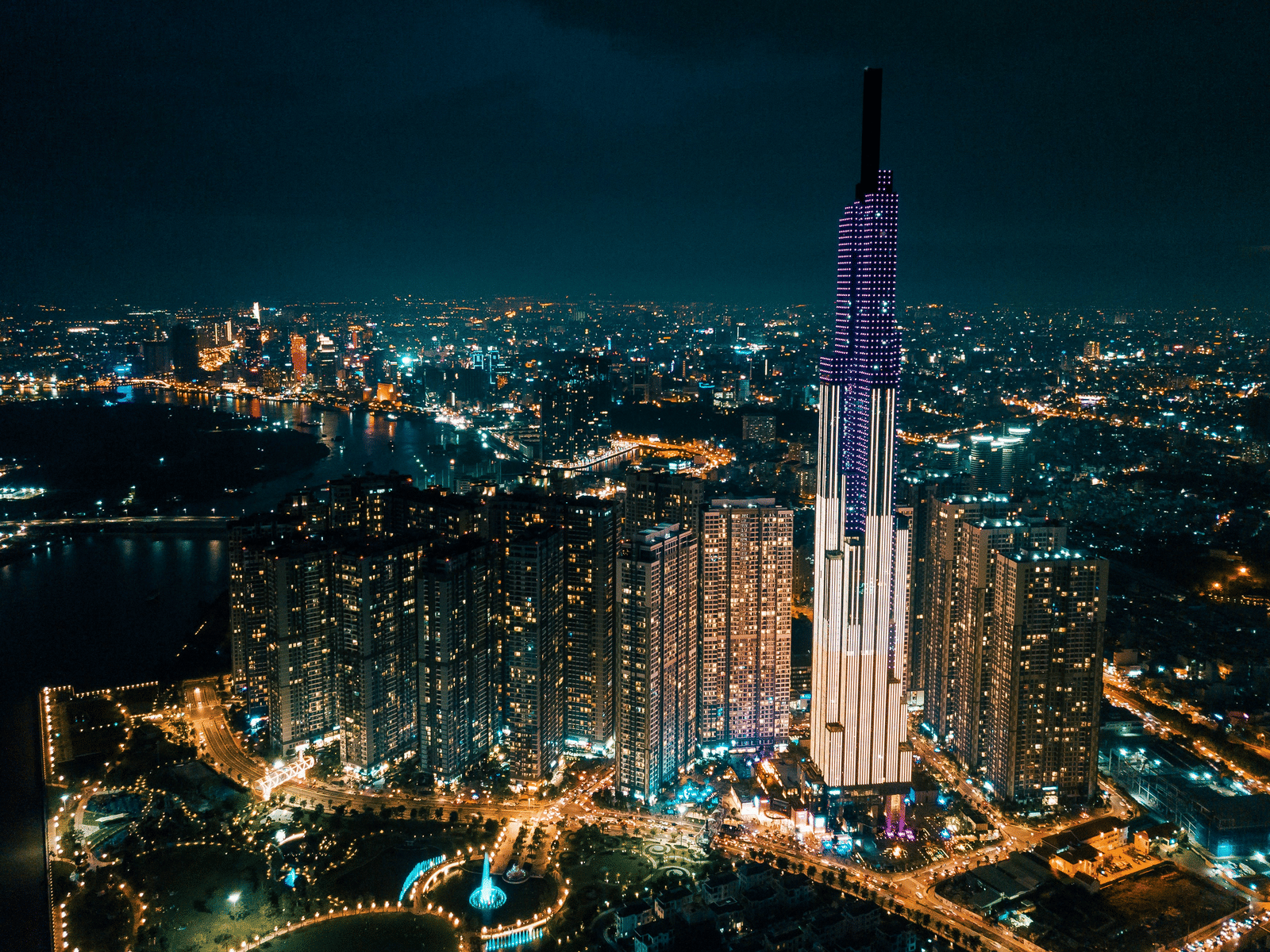
Southern Vietnam (including Binh Thuan and Ke Ga)
The dry season runs from November to April. Temperatures stay warm year-round between 25°C and 35°C. This is the most reliable window for beach travel along the southern coast, including the Ke Ga and Mui Ne stretch. March through August brings maximum sunshine and low rainfall, making it ideal for the coast.
Central Vietnam (Da Nang, Hoi An, Hue)
Spring and autumn, roughly February through May and September through November, offer mild, pleasant conditions. Heavy rain and occasional typhoons arrive between October and January in the central region.
Northern Vietnam (Ha Noi, Sapa, Ha Long Bay)
Spring, March through May, and autumn, September through November, are the most comfortable. Summers are hot and rainy. Winters are cool and occasionally cold in the mountains.
Planning Tip: Pairing Ho Chi Minh City with the southern coast works year-round. A north-to-south itinerary is best planned for spring or early autumn.
The Coastal Pull: Why Vietnam's Beaches Keep Travelers Coming Back
Vietnam has more coastline per sq km of land than almost any other country in the region. The famous names, Phu Quoc, Da Nang, and Nha Trang, draw the crowds. But the coast between Mui Ne and Ke Ga, in Binh Thuan province, is where those who have been to Vietnam before tend to end up on return visits.
What makes the southern Binh Thuan coast different is the pace. No high-rise hotel strip. No beach bars running until 3 AM. The fishing villages are real, the seafood is pulled from the water that morning, and the beaches are wide and uncrowded.
Mui Ne is known as Vietnam's kitesurfing capital, with its dunes and its natural Fairy Stream making it one of the most visually distinctive beach destinations in the country. It is 4 to 5 hours from Ho Chi Minh City by road and a well-worn stop on the southern coast trail. 30 km further down the coast, the pace slows further. Ke Ga is a different kind of discovery.


Ke Ga: The Quieter Coastline Worth Seeking Out
Ke Ga, located in Tan Thanh Commune, Ham Thuan Nam District in Binh Thuan Province, sits about 30 km south of Phan Thiet and roughly 2.5 hours from Ho Chi Minh City by road. It is close enough to be accessible, far enough removed to feel genuinely off the main circuit.
The defining landmark is Ke Ga Lighthouse, built by the French in 1897 and standing at approximately 60 m on a small granite island 500 m from shore. It is the oldest lighthouse in Vietnam, built entirely of stone with 183 spiral steps leading to a 360-degree view of the Binh Thuan coastline. Access is by short boat crossing; the ride takes minutes, and the view from the top stretches over white sand, blue water, and fishing boats in every direction.
The coast itself is what draws people back. No crowds. Wide stretches of white sand. The granite rock formations around the cape take on sculptural shapes that photographers and early morning walkers return to repeatedly. The dragon fruit farms along the road are a reminder that this is still working agricultural land, not a tourist corridor.
For anyone planning a vacation in Vietnam, Ke Ga offers something the busier beaches cannot: space, quiet, and the kind of unrushed morning that makes a trip feel like rest rather than activity.
Why Vietnam is a consistently great choice for couples:
- Private beach access and seafront dining without crowds, particularly along the less-developed southern coast
- Sunrise and sunset are daily anchors, especially at coastal locations where the horizon is unobstructed
- Slow Travel Rhythm: the country is not designed for rushing, which suits couples well.
- Shared Food Culture: Vietnamese meals are built for the table, with shared plates and communal eating creating natural intimacy.
- Wellness and rest as a travel framework rather than sightseeing, particularly at wellness-focused coastal retreats
The Ke Ga coast offers something more private and less staged for couples who want genuine quiet over a curated experience.


Experiences worth building a trip around:
- Vietnamese Coffee Culture: Filter coffee, egg coffee in Ha Noi, and fresh coconut coffee in the south are not drinks; they are rituals.
- Local Cuisine and Markets: Banh mi, pho, fresh spring rolls, and banh xeo (sizzling rice pancakes) are best eaten where they are made. Binh Thuan's coastal towns are renowned for fresh grilled seafood, including scallops, squid, and lobster.
- Yoga and Wellness: Beachfront yoga has become a genuine offering along the Vietnamese coast. The physical setting, open ocean, steady breeze, warm early light, makes the practice different from anywhere indoors.
- Night Sky and Outdoor Cinema: Away from city light, the southern coast offers genuine star visibility. Outdoor cinema evenings, like those at WoCAL Retreat, use that setting well.
WoCAL Retreat Ke Ga: Redefining the Vietnam Vacation Experience
While most accommodations put you near the experience, WoCAL Retreat Ke Ga puts you inside it. Set along a 3.6-km stretch of white sand beach in Cay Gang, Binh Thuan, the retreat is built around a single idea: slow life with locals, close to nature.
The property is powered by over 90% solar energy and sits on an exclusive 3.6-km stretch of beach, one of the few retreats of its kind on this coastline. An on-site organic garden lets guests hand-pick greens for their meals.
- Stay: Glamping-style luxury tents from intimate 1-bedroom options to spacious 3-bedroom setups, each with natural materials, outdoor showers, and private terraces
- Wellness: Beachfront yoga, meditation, and community programs including book clubs, outdoor cinema, and an on-site organic garden
- Dining: Burger and Pho Bar, Pie Station, and the open-air Big Tree Bar, with beachfront BBQ and garden-to-table meals
