A sandwich served on wooden board with greens and sauce, placed on a wooden table beside containers and dining items.

The Essential Guide to Vietnamese Cuisine and Its Most Iconic Dishes

Few cuisines in the world balance boldness and lightness the way Vietnamese cuisine does. A bowl of pho arrives steaming, fragrant with star anise and charred ginger, yet the broth is clean and light enough to drink like water. Herbs arrive not as garnish but as active flavor builders: tear them in, squeeze a lime, and the dish becomes yours entirely.

This is what separates Vietnamese food from the rest of Asia. It is interactive, seasonal, and rooted in regional traditions. From highland kitchens in the north to seafood-laden coastal tables in the south, every region carries its own distinct food identity. Together, they make Vietnamese cuisine one of the most compelling culinary traditions in Southeast Asia.

What Sets Vietnamese Cuisine Apart


Vietnamese cuisine has been shaped by centuries of external influence while preserving its distinct culinary identity. Chinese rule introduced stir-frying, chopsticks, and noodle culture to the north. French colonialism contributed baguettes, pate, and a coffee culture that Vietnam has since transformed into something entirely its own.

The Cham and Khmer people of the south added coconut milk, tamarind, and sweeter flavor profiles. Regionally, the contrasts within Vietnamese cuisine are significant. Northern cooking is restrained and precise. Central Vietnamese food is shaped by the former imperial city of Hue, which is fiery and elaborate. Southern cooking leans sweet, abundant, and fruit-forward.

Food plays a defining role in daily life across all regions. Meals structure the day, anchor celebrations, and serve as the primary language of hospitality. Understanding Vietnamese cuisine means understanding how deeply it is woven into the culture and rhythm of Vietnamese life itself.

Food being cooked in a pan over open flame, with vegetables and utensils visible above the cooking station.

Key Ingredients Behind Vietnamese Cuisine


What gives Vietnamese cuisine its unmistakable character is a small set of core ingredients used with precision and restraint. Fish sauce (nuoc mam) is the country's foundational seasoning, adding depth and umami without overpowering the dish. Fresh herbs such as mint, Vietnamese coriander, perilla, and Thai basil are treated as structural components, not decoration.

Lemongrass, ginger, and star anise define the aromatic base of broths and marinades. Rice noodles, in their many widths and textures, serve as the neutral canvas that carries the flavors of Vietnamese dishes from pho to the simplest spring roll.

Noodles being cooked in a pan with steam rising, showing cooking utensils and kitchen setup around the stove.

Common Cooking Techniques

  • Slow Simmering:Long, low-heat cooking of bones with charred onion, spices, and aromatics builds the deeply layered broths at the heart of pho and other beloved noodle soups.
     
  • Grilling:Open-flame charcoal grilling gives bun cha and grilled skewers a smokiness that defines the entire character of the dish.
     
  • Steaming:Rice paper wrappers and steamed rice rolls are prepared over gentle steam to preserve their delicate texture and freshness.
     
  • Stir-frying:Rapid, high-heat cooking drawn from Chinese culinary influence is the backbone of everyday Vietnamese home cooking.

Vietnamese Dishes You Cannot Leave Without Trying

3 Vietnamese dishes have earned global recognition for distinctly different reasons. Pho offers depth built through patience. Banh mi speaks to Vietnam's complex cultural history. Goi cuon is a celebration of freshness in its purest form. All 3 are essential starting points for any first encounter with Vietnamese food.

Must-try Vietnamese Dishes
 

  • Pho (Vietnamese Noodle Soup): A slow-simmered bone broth seasoned with charred ginger, star anise, and cinnamon, poured over rice noodles and thinly sliced beef or chicken. Fresh herbs, lime, and bean sprouts arrive on the side for the diner to finish the bowl to their own taste.
     
  • Banh Mi (Vietnamese Sandwich): A French baguette filled with pork, pate, pickled daikon, coriander, and chili. Among Vietnamese dishes, the banh mi uniquely tells the story of colonial influence absorbed and reinvented by Vietnamese street food culture.
     
  • Goi Cuon (Fresh Spring Rolls): Translucent rice paper wraps hold shrimp, vermicelli, mint, and crisp lettuce, served with a peanut dipping sauce. Light and uncooked, goi cuon is among the most refreshing Vietnamese dishes in the entire repertoire.

A bowl of noodle soup with meat, herbs, and chopsticks placed on a wooden surface beside ingredients and utensils.
A meal served on banana leaf with noodles, curry, fried items, and side dishes arranged around a bowl.

More Vietnamese Dishes Worth Savoring

Beyond the internationally recognized favorites, the true depth of Vietnamese cuisine is best experienced through its everyday street food traditions. Dishes like bun cha and com tam showcase how simple ingredients are transformed into flavorful and memorable meals.
 

  • Bun Cha (Grilled Pork and Rice Noodles):A Hanoi classic, bun cha pairs charcoal-grilled pork patties with vermicelli noodles, fresh herbs, and a sweet-savory dipping broth. The distinctive smokiness from the grill gives the dish its signature character.
     
  • Com Tam (Broken Rice):A staple in Ho Chi Minh City, com tam features broken jasmine rice served with grilled pork chop, fried egg, spring rolls, and pickled vegetables. Popular throughout the day, it is enjoyed across all kinds of local eateries and street-side kitchens.

Vietnam’s Street Food Scene: Where Vietnamese Flavors Thrive

The best Vietnamese food has rarely been found behind a restaurant door. Street food is not a supplement to Vietnamese culinary culture. It is the main event. Most of the country's most celebrated Vietnamese dishes were born at street level, refined over decades by vendors who pass their recipes from one generation to the next.

In Hanoi, pho stalls fire before dawn, their broth already layered and complex by the time the first customers arrive. In Ho Chi Minh City, roadside kitchens run from 5 AM, feeding workers and travelers with equal energy. Along the coast, grilled seafood is cooked at the water's edge and eaten immediately. Seeking the best Vietnamese food almost always means following the longest queue.

Street food vendor preparing dishes at a roadside stall at night, with cooking utensils and lights around the setup.

Where to Experience Authentic Vietnamese Cuisine


Geography shapes flavor in Vietnam, and each major destination offers a distinctly different expression of Vietnamese cuisine. Traveling between its cities and coastlines, the food shifts dramatically every few hundred kilometers, making Vietnam one of the most rewarding countries in Asia for food-focused travelers..

A temple structure with multiple tiers surrounded by trees and palm trees under a cloudy sky near a waterbody.

Key Destinations for Vietnamese Food Lovers

  • Hanoi:The northern capital specializes in restrained, precise cooking. Pho bo, bun cha, and cha ca (turmeric fish with dill) are best found in the Old Quarter, where stalls and recipes have remained largely unchanged across generations.
     
  • Ho Chi Minh City:The commercial south brings a sweeter flavor profile and an extraordinary spread of street stalls and casual eateries operating from dawn to midnight.
     
  • Hoi An:This UNESCO World Heritage town in central Vietnam offers cao lau, white rose dumplings, and direct access to the fiery, complex cooking tradition of the central region.
     
  • Coastal South Vietnam:The Binh Thuan coastline near Ke Ga offers fresh-caught seafood and a relaxed food culture that sits well outside the main tourist routes.

Slow Down and Savor More: A Stay at WoCAL Retreat Ke Ga

After tracing the full arc of Vietnamese cuisine along Vietnam's streets and coastlines, choosing where to slow down matters as much as the journey itself. Our retreat at WoCAL Retreat Ke Ga sits along a pristine 3.6 km stretch of coast in Ham Thuan Nam, around 3 hours from Ho Chi Minh City.

At our Burger & Pho Bar, Vietnamese classics share the menu with international favorites, giving guests a taste of the best Vietnamese food without leaving the beachfront. A daily Vietnamese afternoon tea is served daily from from 3:00 PM to 5:00 PM at the Beach Bar, making our retreat as much a culinary experience as a coastal one.

Powered entirely by solar energy and rooted in a slow-life philosophy, our retreat is designed for those who want to eat well, sleep deeply, and stay longer. Explore our accommodations or browse our packages to plan your stay at WoCAL Retreat Ke Ga.
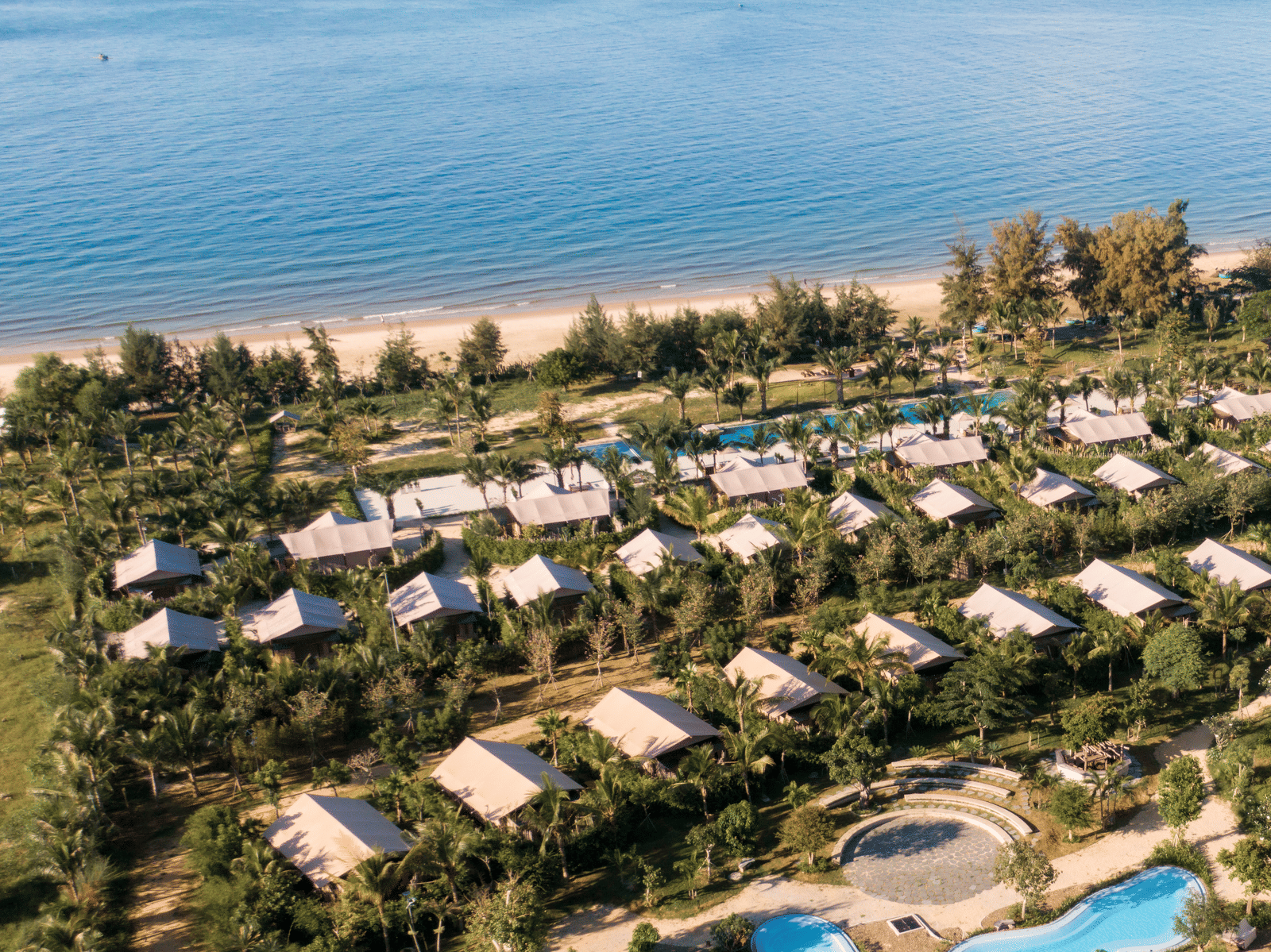
An aerial view of WoCAL Retreat Ke Ga, a luxury resort in Vietnam, with beachfront villas, light-colored roofs, palm trees, landscaped gardens, pathways, pool area, seating spaces, sandy beach, and calm blue ocean.

Vietnamese cuisine is a celebration of balance, freshness, and regional identity, shaped by centuries of history and everyday tradition. From steaming bowls of pho in Hanoi to charcoal-grilled bun cha and fresh seafood along the coast, every meal offers a deeper connection to Vietnam’s culture and way of life. Exploring these iconic Vietnamese dishes is not just about food—it is about experiencing the rhythm, hospitality, and diversity of the country itself.

After discovering the rich flavors of Vietnamese cuisine, travelers can unwind at WoCAL Retreat Ke Ga, where coastal tranquility meets authentic culinary experiences. With Vietnamese classics, beachfront dining, and a peaceful setting along the Binh Thuan coastline, the retreat offers the perfect space to relax, savor, and continue your journey through Vietnam’s vibrant food culture.

Frequently Asked Questions (FAQs)


1. What is Vietnamese cuisine known for?
Vietnamese cuisine is known for its balance of sweet, sour, salty, and spicy flavors, built on fresh herbs, light cooking methods, and minimal oil. The result is a food tradition that is complex in taste yet remarkably light on the palate.

2. What are the most popular Vietnamese dishes for first-time visitors?
First-time visitors typically start with pho, banh mi, goi cuon, bun cha, and com tam. Each of these Vietnamese dishes represents a different region and cooking approach within the country.

3. How does Vietnamese cuisine differ from other Asian food traditions?
Unlike many Asian cuisines that rely heavily on oil or sustained chilli heat, Vietnamese cuisine builds flavor through fresh herbs, fish sauce, and slow-simmered broths. Dishes are generally lighter and more herb-forward than regional counterparts.

4. Where can travellers find the best Vietnamese food?
The best Vietnamese food is typically found at street stalls, morning markets, and family-run eateries rather than formal restaurants. Hanoi, Ho Chi Minh City, and Hoi Are among the most recognized destinations for food-focused travelers.

5. Are there significant regional differences in Vietnamese dishes?
Yes. Northern Vietnamese dishes tend to be subtle and restrained, with less sugar and spice. Central dishes, particularly from Hue, are spicier and more elaborate. Southern dishes use more coconut milk, tropical produce, and sugar, resulting in a richer, sweeter profile.

6. What is pho, and why is it central to Vietnamese cuisine?
Pho is Vietnam's most iconic noodle soup, made from a long-simmered bone broth, rice noodles, and thinly sliced meat. It is considered a defining expression of Vietnamese cuisine and is eaten across the country at any hour of the day.

7. Can travellers experience authentic Vietnamese cuisine at coastal resorts?
Yes. Coastal areas across Vietnam, including the Ham Thuan Nam region near Ke Ga in Binh Thuan Province, offer fresh seafood, locally grown herbs, and Vietnamese dishes served in relaxed beachfront settings.

8. Why stay at WoCAL Retreat Ke Ga while exploring Vietnamese cuisine?
WoCAL Retreat Ke Ga offers a relaxing coastal stay with authentic Vietnamese dishes, beachfront dining, and easy access to the culinary culture of South Vietnam.

Continue your booking